🐶 How “Pet on a Plate” Took Over TikTok — And What It Says About the Future of Pet Food
Descrição do post.
10/15/20254 min read
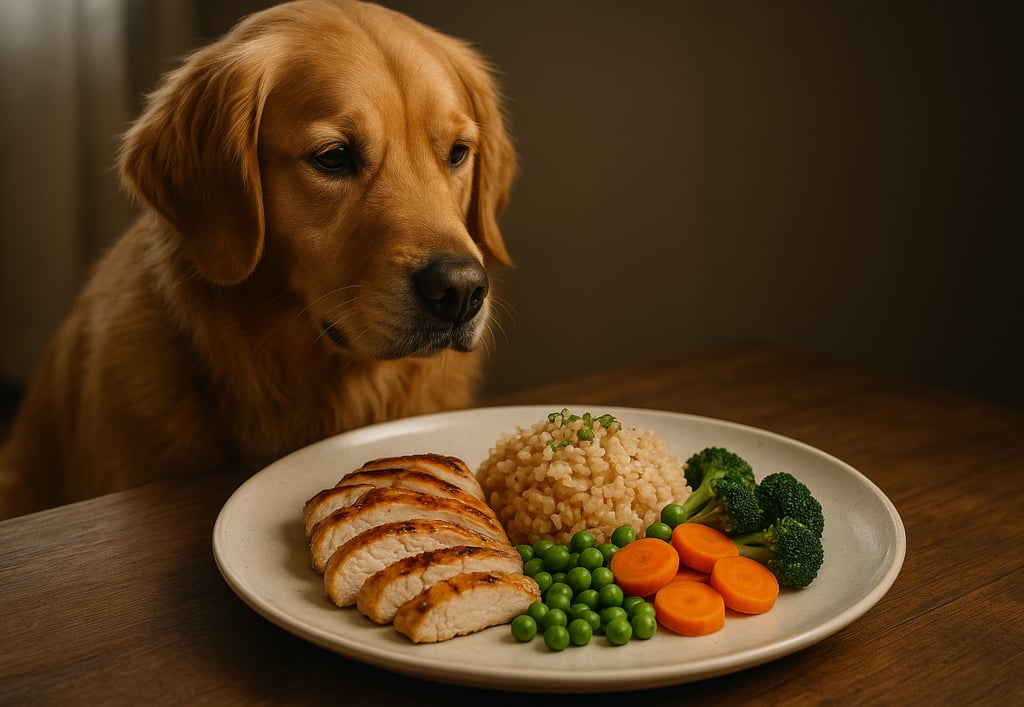
Dog looking at gourmet pet meal served on a plate!
On TikTok and Instagram, a new kind of dinner show is stealing hearts — and it’s not for humans. It’s for pets. Videos tagged #PetOnAPlate have exploded across social media, showing dogs and cats enjoying meals that look straight out of a five-star restaurant.
Search interest in “pet on a plate” has skyrocketed — with some reports claiming a 2,750% increase in engagement over the past few months. But behind the viral videos lies a much bigger story: the humanization of pets, the premiumization of the pet food industry, and a cultural shift toward treating animals not just as companions, but as family members with refined taste.
💚 Want to cook healthy, natural meals for your pet?
Discover Caring with Love — a complete guide with 30 vet-approved homemade recipes your furry friend will adore.
🐾 What “Pet on a Plate” Really Means
At first glance, “Pet on a Plate” might sound like a culinary horror story — but in reality, it’s the opposite. It’s about plating pet meals like human cuisine, with fresh, colorful, and aesthetically pleasing arrangements.
Think:
Steamed chicken breast with quinoa and spinach
Salmon with sweet potatoes and peas
Fresh fruit sides or dog-safe garnishes
All of it served beautifully — and all of it made specifically for pets.
What began as a fun TikTok trend has now become a symbol of care, love, and social status. Pet parents want to show the world not just that they love their pets, but how they love them.
📈 Why It’s Growing So Fast
1. The Rise of “Pet Humanization”
Over 70% of U.S. households now have a pet, and more than half say their pets eat better than they do. The concept of “human-grade” food — meals made with the same standards as human food — is now mainstream.
2. Premiumization & Transparency
Consumers are more willing than ever to pay for premium, clean-label, and fresh pet food. They want to see the ingredients, the process, and the freshness.
According to Grand View Research, the North American human-grade pet food market reached $1.31 billion in 2024, growing at a 9.3% CAGR — one of the highest in the pet food industry.
3. The Social Media Effect
The aesthetic appeal of plated pet meals — colorful, symmetrical, emotional — makes it perfect for virality. Each post becomes an “aww” moment designed for engagement, views, and shares.
4. Corporate Adoption
Major companies are noticing.
General Mills launched a “fresh” version of its Blue Buffalo line, targeting pet owners seeking home-style meals.
Freshpet and PetPlate are reporting record growth.
New DTC (direct-to-consumer) startups like Ollie and The Farmer’s Dog are redefining what pet food delivery looks like.
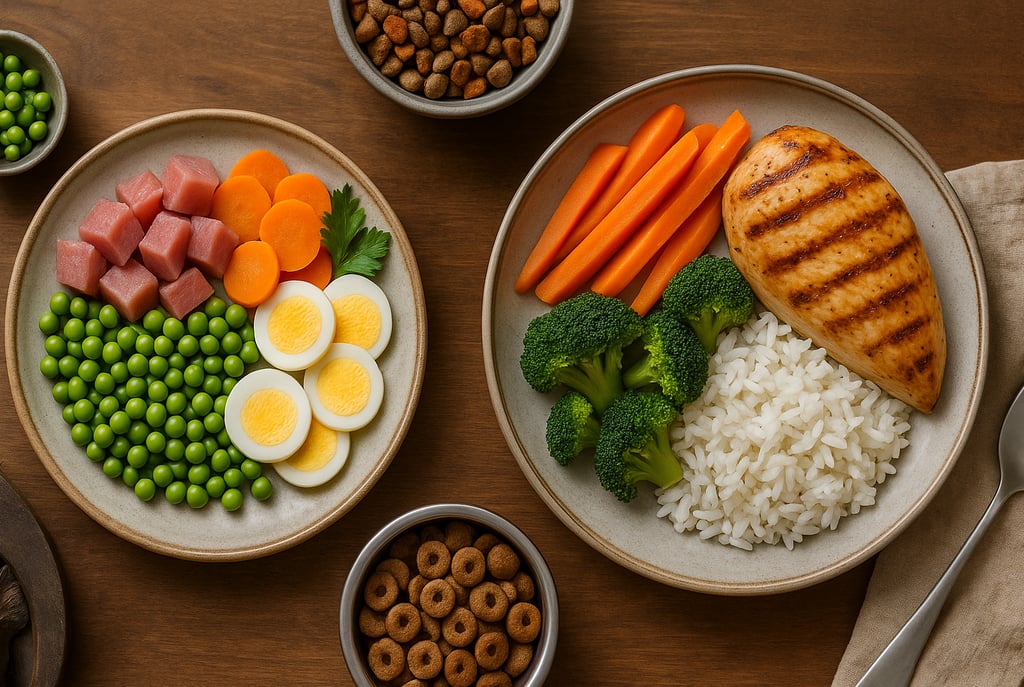
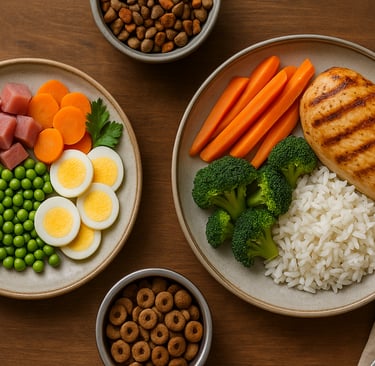
Two pet meals plated like human food on a wooden table
🍲 How It Reflects a Bigger Movement
“Pet on a Plate” isn’t just a TikTok trend — it’s part of a global lifestyle shift toward pet wellness, nutrition, and self-expression.
It ties into the same cultural wave driving plant-based diets, organic foods, and holistic health. People who meditate, track macros, and shop for clean products are applying those values to their pets.
💚 Keep Your Pet Safe in Style: If you love giving your furry friend the best — from gourmet meals to fresh walks — make sure they’re always safe.
Discover the smart GPS collar for pets that tracks their location in real time and keeps them close wherever life takes you.
And it’s emotional. When you serve your dog a beautifully plated meal, it’s not just food — it’s a love language.
💸 The Market Opportunity
The premium and “fresh” pet food sector is booming.
The U.S. pet food market is valued at $43.45 billion (2024) and is expected to grow 4–5% annually through 2030.
Fresh pet food alone is projected to expand by $1.23 billion between 2024–2028 — nearly 30% annual growth.
Global “human-grade pet food” is forecasted to reach $5.8 billion by 2032.
That’s not hype — it’s a full-blown industry transformation.
🧠 But There’s a Catch
Like every trend, “Pet on a Plate” has its critics and caveats.
Nutrition: Pretty doesn’t always mean balanced. Pets need exact levels of protein, fat, and micronutrients.
Cost: Not every owner can afford premium or refrigerated food daily.
Label confusion: The term “human-grade” is loosely regulated. Some brands use it more for marketing than science.
Ethical questions: Some people see the plating trend as wasteful or performative.
Veterinarians emphasize that aesthetics should never replace proper formulation — and that moderation is key.
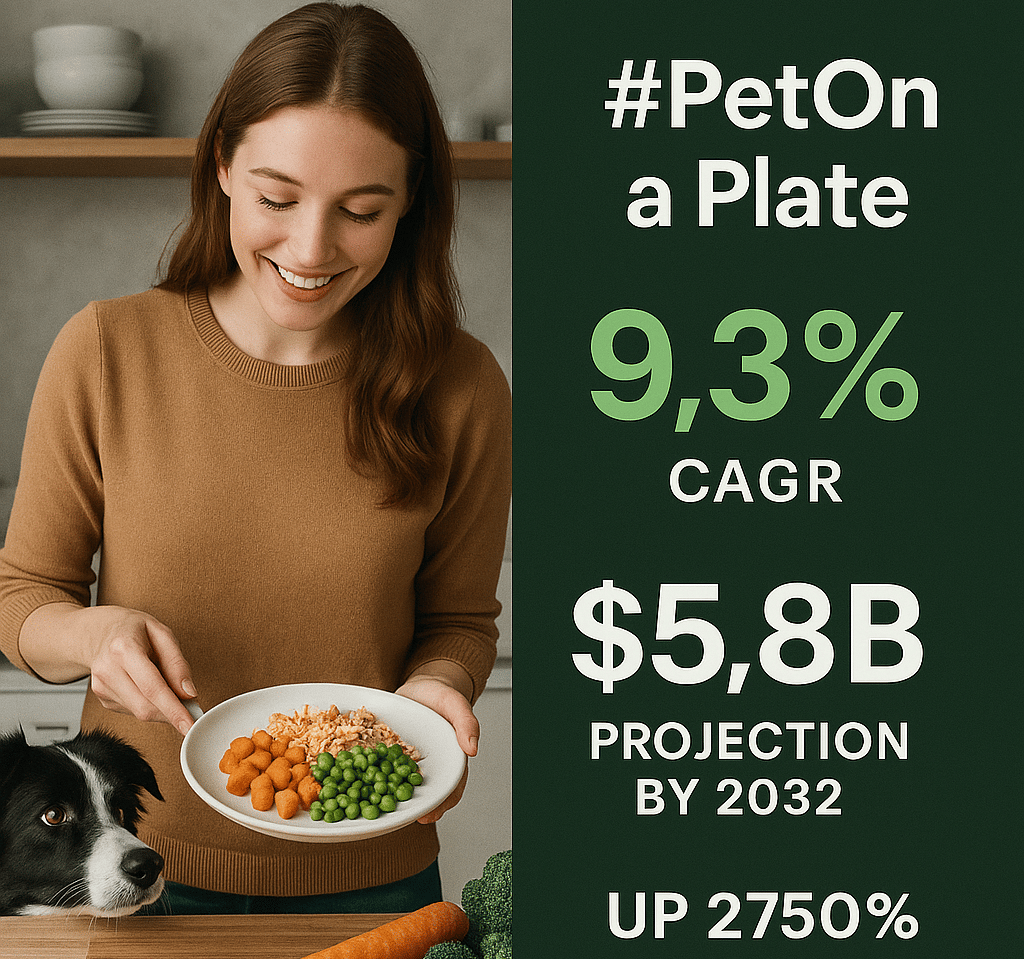
Social media pet meal trend and market growth statistics
🌎 Where It’s Going Next
Experts believe the “Pet on a Plate” trend will evolve into something deeper — a long-term shift in how people interact with pet food brands. Expect to see:
More custom meal plans based on pet DNA and health data
Integration of AI-driven nutrition recommendations
Pet restaurants and cafés offering “plated meals” for social media events
Further collaborations between chefs and pet brands
In essence, the line between feeding your pet and dining with your pet is blurring — fast.
“Pet on a Plate” started as a viral challenge but has grown into a reflection of modern pet parenthood — emotional, visual, and deeply personal.
It’s no longer about simply feeding pets. It’s about celebrating them.
As pet brands compete for attention and loyalty, one thing is clear: the future of pet food will look as good as it tastes — and maybe even better.
If you believe pets deserve the same care and beauty we bring to our own plates, share this post with a fellow pet lover — or tag a friend who cooks for their furry family member.
While you treat your pet like family, make sure they’re protected too.
We recommend this GPS tracking collar — lightweight, waterproof, and perfect for adventurous pets who love exploring.
👉 Follow our blog for more insights on pet health, insurance, and lifestyle trends shaping the future of animal care.
CONTACT
Get in touch with us anytime for questions, collaborations, or suggestions.
Email: claudiofranco643@gmail.com
Follow
Connect / Newsletter
Subscribe to our newsletter
Stay connected for the latest updates.
© 2025. All rights reserved.